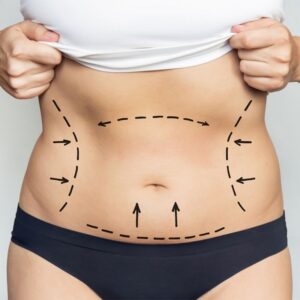
Stubborn fat that refuses to budge despite regular exercise and a disciplined diet is one of the most common concerns patients bring to Aakar Aesthetics. For many of these patients, tumescent liposuction is the safest and most reliable answer. As the most widely performed liposuction technique in the world, tumescent liposuction has earned its reputation for minimal blood loss, predictable results, and a comfortable recovery. At Aakar Aesthetics, Dr. Kiran Nerkar, a Board Certified Plastic & Aesthetic Surgeon trained in Pune and Kerala, performs tumescent liposuction in Nashik using modern surgical protocols that prioritise patient safety alongside natural-looking body contouring.
This page covers everything you need to know about tumescent liposuction — how it works, who it is suitable for, what to expect before, during and after the procedure, and how it compares with other fat-removal techniques available in Nashik.
What Is Tumescent Liposuction?
Tumescent liposuction, sometimes called the “wet technique,” is a method of fat removal in which a large volume of a specially prepared solution is injected into the targeted fat layer before the fat is suctioned out. This solution typically contains a mixture of saline (salt water), a local anesthetic (usually lidocaine), and epinephrine, a medication that constricts blood vessels.
The word “tumescent” refers to the swollen, firm state the treated tissue takes on once this fluid is infused. This swelling serves several purposes: it separates fat cells from surrounding tissue, makes fat easier to remove, numbs the area for hours after surgery, and dramatically reduces bleeding by constricting the small blood vessels in the fat layer. Because of these properties, tumescent liposuction is often considered the gold-standard base technique upon which other advanced methods — such as laser-assisted or ultrasound-assisted liposuction — are built.
Tumescent liposuction was developed in the 1980s and has since become the most extensively studied and widely practiced liposuction method worldwide, largely because of its excellent safety profile when performed by a trained plastic surgeon in an appropriately equipped facility.
How the Tumescent Liposuction Procedure Works
The tumescent liposuction procedure at Aakar Aesthetics follows a structured, safety-first sequence:
-
Consultation and Planning
Before any procedure, Dr. Kiran Nerkar conducts a detailed consultation to understand your body goals, review your medical history, and assess whether you are a suitable candidate. Treatment areas are marked, and a personalised surgical plan is created.
-
Anesthesia
Because the tumescent fluid itself contains a local anesthetic, many tumescent liposuction procedures can be performed under local anesthesia with light sedation, avoiding the risks associated with general anesthesia. For larger volume procedures or multiple areas, your surgeon may recommend intravenous sedation or general anesthesia for your comfort.
-
Infusion of Tumescent Fluid
The tumescent solution is infused into the fat layer through small entry points. The volume of fluid injected is often several times greater than the amount of fat expected to be removed, ensuring the area becomes firm and swollen.
-
Fat Removal via Cannula
Once the tissue is adequately tumesced, a thin hollow tube called a cannula is inserted through tiny incisions. The surgeon moves the cannula in a controlled back-and-forth motion to loosen fat cells, which are then suctioned out using a surgical vacuum or syringe.
-
Closure and Compression
The small incisions typically do not require stitches or need only minimal closure. A compression garment is applied immediately to control swelling and support the treated area as it begins to heal.
-
Recovery Begins
Most patients are discharged the same day and can return home with a caregiver. Because a significant amount of local anesthetic remains in the tissue, discomfort in the first several hours after surgery is usually minimal.
Key Benefits of Tumescent Liposuction
- Reduced Blood Loss: The epinephrine in the tumescent solution constricts blood vessels, making tumescent liposuction significantly safer than older “dry” liposuction techniques that carried a higher risk of blood loss.
- Extended Pain Relief: The local anesthetic in the tumescent fluid continues to numb the treated area for many hours after the procedure, reducing the need for strong pain medication immediately post-surgery.
- Lower Risk Profile: Because it can often be performed under local anesthesia, tumescent liposuction avoids many of the risks associated with general anesthesia, making it a good option for appropriately selected patients.
- Precise Fat Removal: The technique allows the surgeon precise control over how much fat is removed from each area, supporting natural, symmetrical contouring.
- Faster Return to Routine: Minimal bleeding and reduced trauma to the surrounding tissue generally translate to a smoother, quicker recovery compared to more invasive fat-removal surgeries.
- Well-Established Safety Data: Because tumescent liposuction has been performed and studied for decades, its safety profile is among the best documented of all liposuction techniques.
Areas of the Body Treated with Tumescent Liposuction
Tumescent liposuction is versatile and can be used to contour a wide range of areas, including:
- Abdomen and waist
- Flanks (love handles)
- Thighs (inner and outer)
- Hips and buttocks
- Arms
- Back
- Chin and neck
- Chest, including gynecomastia in men
Because the technique offers precise control, it is particularly well suited to areas where a smooth, gradual contour is important, such as the abdomen and thighs.
Am I a Good Candidate for Tumescent Liposuction?
Tumescent liposuction is not a weight-loss treatment — it is a body-contouring procedure designed for people who are already close to their ideal weight but have localized fat deposits that do not respond to diet and exercise. Good candidates generally:
- Are within a healthy weight range (usually within about 30% of ideal body weight)
- Have firm, elastic skin that can adapt to the new contour
- Are non-smokers, or are willing to stop smoking well before and after surgery
- Are in good general health with no uncontrolled medical conditions
- Have realistic expectations about what liposuction can and cannot achieve
During your consultation, Dr. Kiran Nerkar will evaluate your skin quality, fat distribution, and overall health to confirm whether tumescent liposuction — or an alternative technique — is the right fit for your goals.
Recovery After Tumescent Liposuction
Recovery timelines vary depending on the number of areas treated and the volume of fat removed, but most patients follow a similar general path:
-
Day 1–3
Mild to moderate swelling and bruising are normal. A compression garment should be worn as instructed to control swelling and support the treated tissue.
-
Week 1
Most patients can resume light daily activities within a few days, though strenuous exercise should be avoided.
-
Weeks 2–4
Swelling gradually subsides, and the treated area begins to look noticeably smoother and more contoured.
-
Weeks 4–6
Most patients can return to normal exercise routines, subject to their surgeon’s clearance.
-
3–6 Months
Final results become fully visible once all residual swelling and fluid retention have resolved.
Following your surgeon’s aftercare instructions — including wearing compression garments, staying hydrated, and attending follow-up appointments — plays a significant role in achieving smooth, symmetrical results.
Tumescent Liposuction vs. Other Liposuction Techniques
Patients researching liposuction in Nashik often come across multiple technique names and wonder which is right for them. Here is how tumescent liposuction compares:
Tumescent vs. Ultrasound-Assisted Liposuction (UAL):
UAL uses ultrasonic energy to liquefy fat before removal, making it especially useful for dense or fibrous areas like the male chest or back. Tumescent fluid is still used as the foundation of UAL, but the addition of ultrasound energy can improve fat removal in tougher tissue.
Tumescent vs. Laser-Assisted Liposuction (LAL):
LAL uses laser energy to melt fat and stimulate collagen production, making it a good option for smaller, delicate areas needing additional skin tightening. Tumescent liposuction remains the better choice for larger-volume fat removal.
Tumescent vs. Power-Assisted Liposuction (PAL):
PAL uses a mechanically vibrating cannula to break up fat with less physical effort from the surgeon, often shortening procedure time. It is frequently combined with the tumescent technique rather than replacing it.
Tumescent vs. Suction-Assisted Liposuction (SAL, traditional):
Classic SAL relies on manual cannula movement without ultrasound, laser, or power assistance. Modern tumescent liposuction is essentially an evolution of SAL, with the tumescent fluid infusion added for safety and comfort.
In practice, many advanced liposuction procedures — including laser-assisted, ultrasound-assisted, and power-assisted techniques — are performed using the tumescent fluid infusion as their foundation. This is why tumescent liposuction is often described as the base technique of modern body contouring.
Risks and Safety Considerations
As with any surgical procedure, tumescent liposuction carries some risk, including infection, scarring, temporary numbness, contour irregularities, and fluid imbalance if performed in very large volumes. These risks are significantly reduced when the procedure is performed by a qualified, board-certified plastic surgeon in a properly equipped surgical facility, with careful attention to the total volume of fluid and anesthetic used. Dr. Kiran Nerkar follows established safety protocols for tumescent fluid dosing and patient monitoring throughout the procedure.
What Determines the Cost of Tumescent Liposuction in Nashik?
The cost of tumescent liposuction varies based on several factors:
- Number and size of areas being treated
- Volume of fat to be removed
- Type of anesthesia used (local sedation vs. general anesthesia)
- Whether the procedure is combined with another technique (e.g., laser-assisted)
- Facility and post-operative care requirements
During your consultation at Aakar Aesthetics, Dr. Kiran Nerkar will provide a personalised cost estimate after evaluating your specific goals and treatment plan.
Why Choose Aakar Aesthetics for Tumescent Liposuction in Nashik?
Dr. Kiran Nerkar is a Board Certified Plastic & Aesthetic Surgeon (MBBS, DNB Aesthetic and Plastic Surgery, MNAMS) trained at prestigious institutions in Pune and Kerala. At Aakar Aesthetics, every tumescent liposuction procedure is built around a personalised treatment plan, modern surgical technique, and a strong emphasis on patient safety from consultation through recovery. Patients receive detailed pre-operative guidance, careful intra-operative monitoring, and structured post-operative follow-up to support smooth healing and natural-looking results.
Frequently Asked Questions About Tumescent Liposuction
Is tumescent liposuction painful?
Because the tumescent fluid itself contains local anesthetic, most patients experience only mild discomfort during and immediately after the procedure. Any post-operative soreness is generally manageable with prescribed medication.
How long does tumescent liposuction take?
Procedure time depends on the number of areas treated, but a single-area tumescent liposuction procedure commonly takes between one and three hours.
Is tumescent liposuction safe?
When performed by a qualified, board-certified plastic surgeon in a proper surgical setting, tumescent liposuction has an excellent, well-documented safety record and is considered one of the safer liposuction techniques available today.
How much fat can be removed with tumescent liposuction?
This depends on individual health factors and the areas being treated. Your surgeon will determine safe volume limits during your consultation based on established medical guidelines.
Will I need general anesthesia?
Not always. Many tumescent liposuction procedures can be performed under local anesthesia with light sedation, though larger-volume procedures may require general anesthesia for patient comfort.
How soon will I see results?
Initial changes are visible once swelling subsides, generally within a few weeks, with final results appearing over three to six months as all residual swelling resolves.
Is tumescent liposuction better than other techniques?
No single technique is universally “better” — the right choice depends on the treatment area, fat and skin quality, and your goals. Dr. Kiran Nerkar will recommend the most appropriate technique, or combination of techniques, during your personalised consultation.